Building Outfits Off Sweatpants and Shorts: How to Layer Using HMDD
Plenty of shoppers treat layering like purely a cold-weather chore, not a method for shaping a true outfit. That perspective misses the mark, above all when HMDD sweatpants and HMDD shorts serve as your foundation. Happy Memories Don’t Die has built a wardrobe philosophy around comfort-first silhouettes that still hold their shape in a fit, and that duality is exactly what makes building layers off these pieces so doable. You’re not wrestling with heavy material or struggling against a branding element that overwhelms the look. You’re starting from clean lines that let a hoodie, a jacket, or a simple tee take center stage up top while the bottoms hold the shape below.
This article walks through how to put together stacked looks around HMDD sweatpants and HMDD shorts throughout different seasons, occasions, and proportions. We’ll get into fabric weight, color stacking, and the subtle styling decisions that distinguish a hastily assembled outfit from one that looks intentional. If you’ve read an hmdd review or two and are still unsure how the pieces translate into daily rotation, this is the practical follow-up.
Why HMDD Bottoms Work as a Foundation for Layering
A lot of layering conversations center around the top half — jackets, flannels, vests — and treat the bottom half as an afterthought. That’s a misstep with HMDD clothing in particular, because the brand’s sweatpants and shorts are designed with enough purpose that they function as a structural centerpiece, not just a filler piece. A tapered sweatpant leg or a shorts cut that holds a steady hemline gives you a reliable base to build from, which is more important than most assume when you’re layering three or four garments in one outfit.
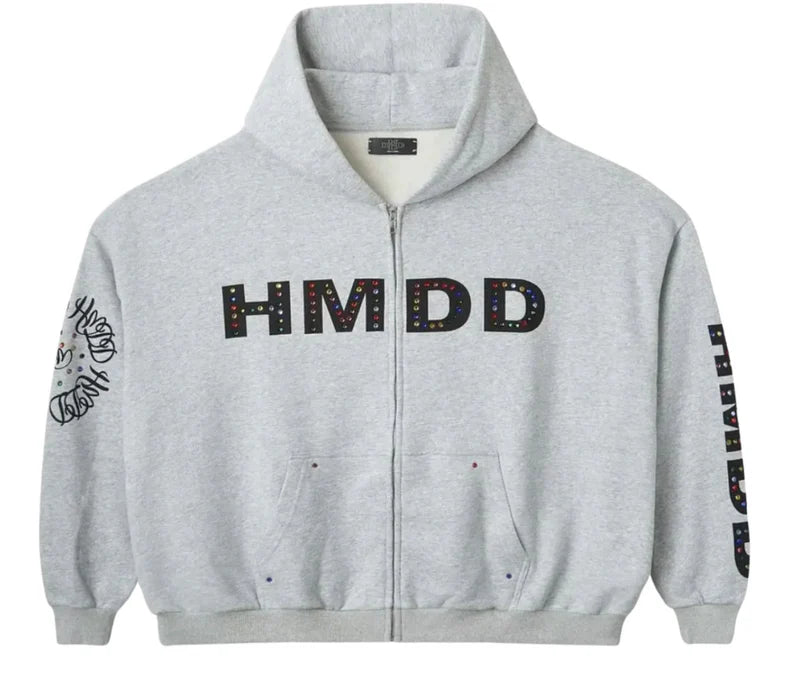
Consider it in terms of proportional balance. If your bottoms are loose and unstructured, every layer on top needs to compensate by being tighter or shorter, or the boxy hoodie whole outfit reads as shapeless. HMDD sweatpants generally taper toward the ankle, which means you can layer a longer overshirt or an oversized hoodie on top without the shape falling apart into shapeless fabric. This same principle carries over to HMDD shorts in warmer months — a tidy hemline and even rise mean you can layer a light jacket or a button-down shirt over a tee without the bottom half competing with the upper layers visually.
There’s likewise a substance-based point here. Heavier fleece-weight sweatpants hold a crease and a shape better than thin cotton-poly blends, which means they look sharper in photos and hold up better throughout the day. That’s part of why hmddla has turned into a kind of code in threads and comment sections for people specifically hunting its streetwear-oriented, LA-adjacent drops — the weight and drape of the fabric reads differently in person than in a flat product photo, and once you feel it, the layering logic makes more sense.
Cold-Weather Layering Around HMDD Sweatpants
Begin with the sweatpant as the constant and construct upward using three layers: an inner tee, a middle hoodie or crewneck, and an outer coat. This three-tier setup underpins most cold-weather streetwear looks, functioning well because every layer serves its own purpose. Close to the skin, the base tee manages temperature. The hoodie brings extra bulk along with a logo or graphic focal point. Whether it’s a shell, a denim trucker, or a coach jacket, the outer jacket shapes the silhouette when viewed from afar.
In the specific case of HMDD sweatpants, the slim-tapered shape means you can go heavier on top without the outfit reading as top-heavy. Combining a drop-shoulder hoodie and a mid-length puffer with HMDD sweatpants produces a purposefully loose-up-top, snug-below shape that’s held sway in streetwear styling for a good stretch of years and isn’t fading anytime soon heading into 2026. The critical proportion to monitor is the hoodie’s length against the jacket’s — should the hoodie hem extend beyond two or three inches past the jacket hem, the layering will look unintentional rather than styled. Tighten that gap and the entire outfit falls into place.
Sequencing your colors is just as important as the fit itself. Generally, a three-layer cold-weather look centered on HMDD sweatpants ought to progress from dark to light, or light to dark, bottom to top, instead of bouncing between unrelated tones layer to layer. Charcoal sweatpants, a heather grey hoodie, and a black shell reads as considered. Charcoal sweatpants matched with a bright graphic hoodie and an olive jacket looks unplanned, unless a clash-style look is the deliberate goal, which is its own separate styling approach.
How to Layer HMDD Shorts in Warm Weather
The idea of layering shorts seems contradictory until you distinguish « layering » from « piling on bulk. » In warm weather, layering around HMDD shorts is about adding visual depth without adding heat — a lightweight overshirt, an unbuttoned short-sleeve button-up over a tank, or a mesh jersey worn open over a plain tee. All of these choices bring a secondary texture to the fit without holding warmth close to the body.
When putting together a shorts-based fit, the objective is to keep the eye moving top to bottom rather than stopping at the knee. An extended unbuttoned layer — something that falls to mid-thigh or slightly higher than where the shorts end — establishes visual connection between the top and bottom halves instead of a jarring cutoff at the waist. This ranks among the most frequent missteps in hot-weather streetwear dressing: a boxy, cropped tee paired with shorts and nothing else can look incomplete, while that identical pair of shorts paired with a somewhat lengthier open shirt worn on top of the tee comes together right away.
Footwear pulls significant weight in shorts-based outfits too, beyond what it usually gets credit for. Since more of the leg is on show, the combination of sock length and shoe shape become part of the styling equation whether you intend it or not. A low-cut sock with a chunky sneaker elongates the leg line; a crew sock with the same shoe shortens it. When putting together a look with HMDD shorts for a warmer month in 2026, the sock choice deserves treatment as a fourth layer, not something tacked on at the end.
One Rotation, Two Silhouettes: Combining Sweatpants with Shorts
Most people don’t own purely one or the other — they own both and need a system for deciding which to wear on a given day without overthinking it every morning. The easiest approach is temperature banding: below a certain degree threshold, sweatpants; past that point, shorts, with a transitional zone where either works depending on the way you’re layering up top.
A sensible threshold for most climates looks like this: under 55°F, sweatpants are the go-to. Between 55°F and 68°F, it’s a judgment call decided by activity level and the number of layers on your upper half. Once you’re above 68°F, shorts win out unless you’re deliberately styling around air conditioning or evening temperature drops. These aren’t strict cutoffs, but it removes daily decision fatigue and allows you to put your energy toward styling energy on the upper-body layering instead of second-guessing the bottom half every time you get dressed.
Another element in mixing sweatpants and shorts into one wardrobe is color consistency. If your HMDD sweatpants and HMDD shorts share a similar palette — grey, black, and muted earth tones — your top-layer pieces become interchangeable across both, which effectively doubles your outfit combinations without requiring twice the wardrobe. Capsule wardrobes are built on this exact idea, and it works just as effectively for a streetwear-oriented rotation as it does to a minimalist rotation.
Comparing Layering Approaches by Season
| Season | Foundation Layer | Insulating Piece | Outermost Piece | Bottom Piece |
|---|---|---|---|---|
| Winter | Long-sleeve top | Thick hoodie | Puffer jacket or shell layer | HMDD-brand sweatpants |
| Spring | Short-sleeve top | Thin crewneck | Denim jacket or coach jacket | Sweatpants from HMDD |
| Summer | Tank top or tee | Loose short-sleeve shirt | Nothing or a mesh jersey | HMDD-brand shorts |
| Fall | Tee | Flannel shirt or overshirt | Thin jacket | HMDD sweatpants or shorts |
Final Notes on Building a Cohesive Rotation
Shoppers who look up hmdd review threads before making a purchase are most often trying to resolve one question: will it serve as a wardrobe staple, or is it a one-look piece that gets buried in a drawer? Given the cut of the sweatpants and shorts, honestly, they work best as a quiet foundation that supports many different top-half pairings instead of a bold piece meant to grab attention. That should be read as a compliment, not a critique — the top foundation pieces in any closet are the ones you no longer actively notice, since they simply do their job.
For first-time HMDD shoppers in 2026, resist the urge to buy one pair of sweatpants or shorts and call it done. A solid layering system requires a minimum of two bottom pieces in varying weights, along with two or three top layers that can be rotated between them, and top HMDD picks tend to be the garments that coordinate well with existing pieces instead of the boldest item in the range. Start with a neutral sweatpant and a neutral short, build two or three top-layer combinations for each, and let the rotation grow from there — good memories stick around, much like a wardrobe system that gets real use instead of sitting untouched on a hanger